

Hey there! I'm part of a brass machining supplier, and today I wanna chat about what materials can be machined with brass. Brass is an alloy made up of copper and zinc, and it's got some pretty cool properties that make it a top - choice for a bunch of machining jobs.
First off, let's talk about the basics of brass. It's got great machinability, which means it can be cut, shaped, and formed easily. This is because of its relatively low melting point and the way it chips during the machining process. It doesn't gum up the cutting tools as much as some other metals, so it can save a lot of time and money on tool maintenance.
One of the common materials that can be combined with brass during machining is steel. Steel is super strong and durable, but it can be a pain to machine on its own. When you machine brass with steel, you can create parts that have the best of both worlds. For example, in the manufacturing of some mechanical components, you might use a brass outer layer for its corrosion resistance and ease of finishing, while the steel core provides the necessary strength. This combination is often seen in things like valve stems and gears. The brass surface can be polished to a nice shine, and it's less likely to rust compared to steel, especially in environments where moisture is present.
Aluminum is another material that can be machined alongside brass. Aluminum is lightweight and has good thermal conductivity. When paired with brass, you can get parts that are both lightweight and have good mechanical properties. In the aerospace industry, this combination is quite popular. Aerospace CNC Machined Parts often require materials that are light to reduce fuel consumption but also strong enough to withstand the stresses of flight. Brass - aluminum combinations can be used to make brackets, fittings, and other small components. The brass can add a bit of extra strength and wear resistance, while the aluminum keeps the weight down.
Plastics are also an interesting option to machine with brass. There are all sorts of plastics out there, like nylon and polycarbonate. Nylon is tough and has good self - lubricating properties, while polycarbonate is clear and has high impact resistance. When you machine brass with plastic, you can create hybrid parts. For example, in the electronics industry, you might have a brass connector that's combined with a plastic housing. The brass provides the electrical conductivity, and the plastic insulates and protects the components. It's a cost - effective way to make parts that need both electrical and mechanical functions.
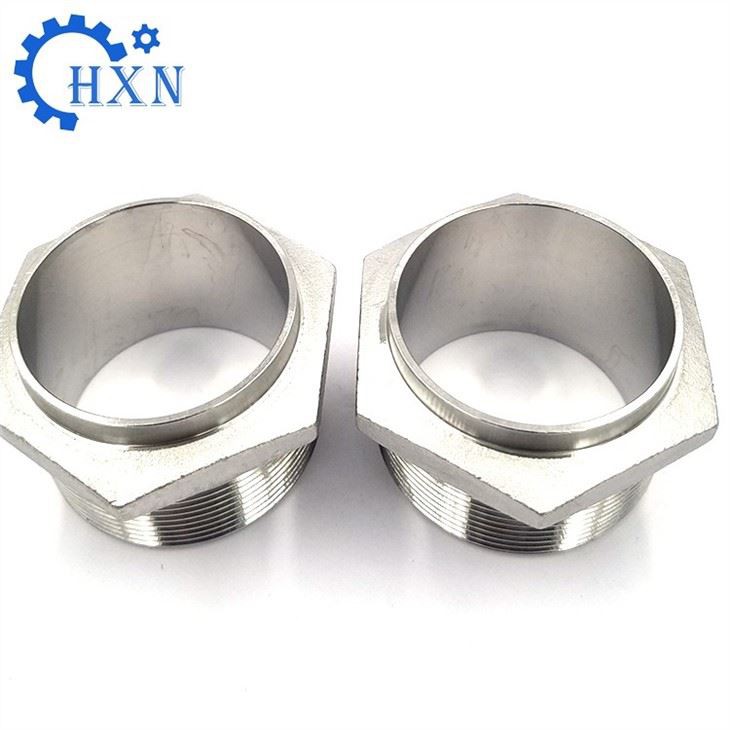

Now, let's dig deeper into some of the machining processes that are commonly used when working with brass and these other materials. CNC Swiss Precision Machining is a great method. In this process, the workpiece is held in a collet and fed through a guide bushing. The cutting tools then move in multiple axes to create highly precise parts. This is perfect for small, complex components that are made from brass and other materials. The precision of CNC Swiss machining ensures that the dimensions of the parts are accurate, which is crucial, especially in industries like medical and aerospace.
Another important process is Aerospace Precision Machining. This is specifically designed for the aerospace industry, where the standards for quality and precision are extremely high. When machining brass with other materials for aerospace applications, every detail matters. The parts need to be able to withstand extreme temperatures, pressures, and vibrations. This process often involves advanced cutting tools and strict quality control measures to ensure that the final product meets all the requirements.
In the automotive industry, brass is also used in combination with other materials. For example, in brake systems, brass can be used with cast iron. Cast iron is known for its high heat - dissipating capabilities, which is essential in brakes. The brass can be used for parts like brake pads or pistons. It can help reduce friction and wear, and it's also more resistant to corrosion compared to cast iron. This combination helps to improve the overall performance and lifespan of the brake system.
In the plumbing industry, brass is often machined with rubber. Rubber is flexible and can create a tight seal. When you machine brass fittings with rubber gaskets, you can ensure that there are no leaks in the plumbing system. The brass provides the structural integrity of the fitting, while the rubber gasket seals the connection between pipes. It's a simple yet effective combination that has been used for decades.
When it comes to jewelry making, brass can be machined with precious metals like gold and silver. Gold and silver are soft and expensive, so using brass as a base material can be a more cost - effective option. You can machine a brass piece into a desired shape and then plate it with a thin layer of gold or silver. This gives the appearance of a precious metal piece at a lower cost. The brass provides the structure, and the plating gives it the aesthetic appeal.
Now, if you're in the market for brass - machined parts or interested in exploring the possibilities of machining brass with other materials, we're here to help. Whether you're in the aerospace, automotive, electronics, or any other industry, we've got the expertise and the equipment to handle your needs. Our team of experienced machinists knows how to work with brass and a variety of other materials to create high - quality parts that meet your specifications.
If you have a project in mind, don't hesitate to reach out to us. We can have a detailed discussion about your requirements, provide you with a quote, and guide you through the entire process. Let's work together to bring your ideas to life and create parts that are not only functional but also meet the highest standards of quality.
References
- "Machining Handbook" - A comprehensive guide on machining processes and materials.
- "Aerospace Materials and Manufacturing Processes" - A resource that focuses on materials and machining in the aerospace industry.
- "Automotive Engineering Handbook" - Covers the use of various materials in automotive applications.