

Hey there! As a supplier of stainless steel casting, I've been getting a lot of questions lately about the role of molybdenum in stainless steel casting. So, I thought I'd take a few minutes to break it down for you.
First off, let's talk a bit about stainless steel. Stainless steel is an alloy, which means it's made up of a bunch of different elements. The main ones are iron, chromium, and nickel. But there are also other elements that can be added to give the stainless steel different properties. One of those elements is molybdenum.
Molybdenum is a pretty cool metal. It has a high melting point, which makes it great for use in high - temperature applications. When it comes to stainless steel casting, molybdenum plays several important roles.
One of the key roles of molybdenum is to improve the corrosion resistance of stainless steel. Corrosion is a big problem in many industries. For example, in the marine industry, where stainless steel parts are constantly exposed to saltwater, corrosion can quickly degrade the parts and make them useless. Molybdenum helps to form a more stable and protective oxide layer on the surface of the stainless steel. This oxide layer acts as a barrier, preventing corrosive agents like oxygen and water from reaching the metal underneath. So, when you add molybdenum to stainless steel, you're essentially making it more resistant to rust and other forms of corrosion.
Another important role of molybdenum is to enhance the strength and hardness of stainless steel. In applications where the stainless steel parts need to withstand high stress and wear, having good strength and hardness is crucial. Molybdenum atoms fit into the crystal structure of the stainless steel and make it more difficult for the metal to deform. This means that the stainless steel can handle more pressure and friction without getting damaged. For instance, in the automotive industry, stainless steel parts with molybdenum can withstand the high - stress conditions of engine operation better than those without it.

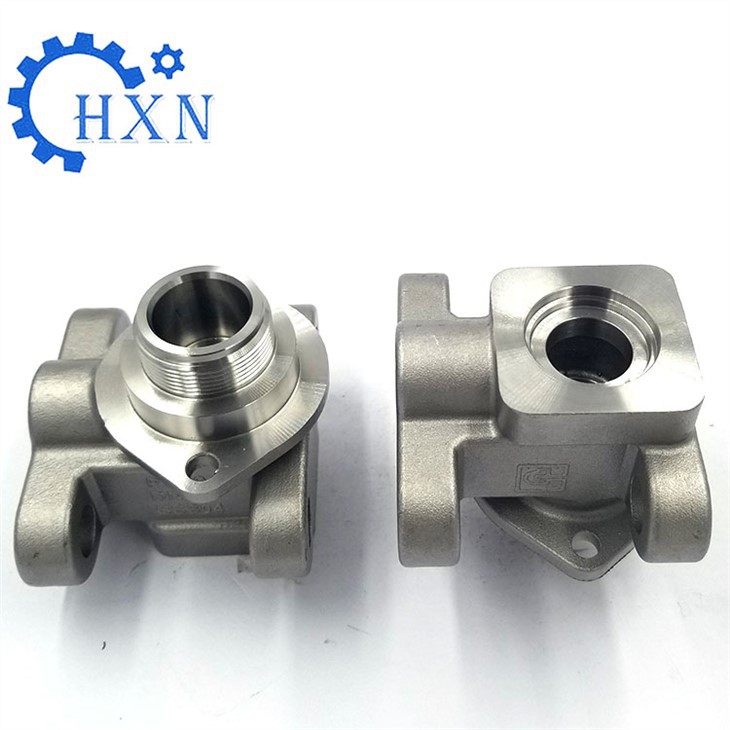
Molybdenum also improves the pitting and crevice corrosion resistance of stainless steel. Pitting corrosion is when small holes or pits form on the surface of the metal, and crevice corrosion occurs in narrow gaps or crevices. These types of corrosion can be particularly dangerous because they can start small but quickly spread and cause significant damage. Molybdenum helps to prevent the initiation and propagation of these types of corrosion by altering the electrochemical properties of the stainless steel.
Now, let's talk about how we, as a stainless steel casting supplier, use molybdenum in our products. We offer a variety of stainless steel casting options, including Ss 304 Investment Casting. In our 304 stainless steel investment casting, we can add the right amount of molybdenum to meet the specific requirements of our customers. Whether they need parts with high corrosion resistance for a chemical processing plant or parts with good strength for a machinery application, we can customize the molybdenum content accordingly.
We also have Silica Sol Precision Casting Parts. Silica sol precision casting is a great process for making high - quality, complex - shaped stainless steel parts. When we use molybdenum in these parts, we can ensure that they have the desired properties. The molybdenum helps to maintain the integrity of the parts during the casting process and gives them the performance characteristics that our customers need.
And then there's Stainless Steel Silica Sol Casting. This type of casting is known for its precision and excellent surface finish. By incorporating molybdenum into the stainless steel, we can further enhance the quality of the castings. The molybdenum helps to reduce the likelihood of defects and improves the overall mechanical and chemical properties of the final product.
When it comes to choosing the right amount of molybdenum for a stainless steel casting, it's not a one - size - fits - all situation. The amount of molybdenum needed depends on several factors, such as the intended application of the part, the environment it will be exposed to, and the other elements present in the stainless steel alloy. For example, in a highly corrosive environment like a desalination plant, we might use a higher percentage of molybdenum to ensure maximum corrosion resistance. On the other hand, if the part is mainly for aesthetic purposes and doesn't need to withstand extreme conditions, a lower amount of molybdenum might be sufficient.
As a supplier, we work closely with our customers to understand their needs. We have a team of experts who can analyze the requirements and recommend the best stainless steel alloy with the appropriate molybdenum content. We also use advanced testing and quality control methods to ensure that the final castings meet the highest standards.
If you're in the market for high - quality stainless steel castings and want to take advantage of the benefits of molybdenum, don't hesitate to reach out. We're here to help you find the perfect solution for your project. Whether you need a small batch of custom - made parts or a large - scale production run, we've got the experience and expertise to deliver.
In conclusion, molybdenum plays a vital role in stainless steel casting. It improves corrosion resistance, enhances strength and hardness, and helps to prevent pitting and crevice corrosion. As a stainless steel casting supplier, we use molybdenum to create high - performance parts that meet the diverse needs of our customers. So, if you're looking for top - notch stainless steel castings, give us a call and let's start a conversation about your project.
References
- ASM Handbook Volume 5: Surface Engineering
- Stainless Steel: A Technical Guide by The Nickel Institute