

Hey there! As a supplier of Stainless Steel Bushings, I've seen firsthand how oxidation can be a real headache. It not only affects the appearance of these parts but also their performance and lifespan. So, in this blog, I'm gonna share some practical tips on how to prevent the oxidation of stainless steel bushings.
Understanding Stainless Steel Oxidation
First things first, let's understand what causes stainless steel to oxidize. Stainless steel is made up of iron, chromium, and other elements. The chromium in stainless steel forms a thin, invisible layer of chromium oxide on the surface. This layer acts as a protective barrier, preventing further oxidation. However, when this layer is damaged or compromised, oxygen in the air can react with the iron in the stainless steel, leading to rust and oxidation.
There are several factors that can damage the protective chromium oxide layer. Exposure to harsh chemicals, such as acids, alkalis, and salts, can corrode the layer. Physical damage, like scratches or dents, can also expose the underlying metal to oxygen. High humidity and temperature can accelerate the oxidation process as well.
Storage and Handling
One of the simplest ways to prevent oxidation is to store and handle stainless steel bushings properly. When storing these parts, make sure they are kept in a dry, clean environment. Avoid storing them in areas with high humidity, as moisture can promote oxidation. If possible, store the bushings in a climate - controlled storage facility.
When handling the bushings, use clean gloves to prevent leaving fingerprints on the surface. Fingerprints can contain salts and oils that can damage the protective layer. Also, be careful not to scratch or dent the bushings during handling. If you need to move or transport them, use soft - lined containers or packaging materials to protect them from physical damage.
Cleaning and Maintenance
Regular cleaning is essential for preventing oxidation. You should clean the stainless steel bushings periodically to remove dirt, dust, and other contaminants that can damage the protective layer. Use a mild detergent and warm water to clean the bushings. Avoid using abrasive cleaners or scrubbers, as they can scratch the surface and expose the metal to oxygen.
After cleaning, rinse the bushings thoroughly with clean water to remove any detergent residue. Then, dry them completely with a soft cloth. Make sure there is no moisture left on the surface, as even a small amount of moisture can lead to oxidation over time.
In addition to regular cleaning, you can also perform some preventive maintenance. For example, you can apply a protective coating to the surface of the bushings. There are various types of coatings available, such as wax - based coatings, polymer coatings, and anti - rust sprays. These coatings can provide an extra layer of protection against oxidation.
Avoiding Chemical Exposure
As mentioned earlier, exposure to harsh chemicals can cause oxidation. So, it's important to avoid exposing stainless steel bushings to chemicals whenever possible. If the bushings need to be used in an environment where they may come into contact with chemicals, make sure they are properly protected.
For example, if the bushings are used in a chemical processing plant, you can choose a type of stainless steel that is more resistant to the specific chemicals present in the environment. You can also use chemical - resistant coatings or enclosures to protect the bushings.
Monitoring and Inspection
Regular monitoring and inspection can help you detect early signs of oxidation. Check the bushings regularly for any signs of rust, discoloration, or pitting. If you notice any of these signs, take action immediately to prevent further oxidation.
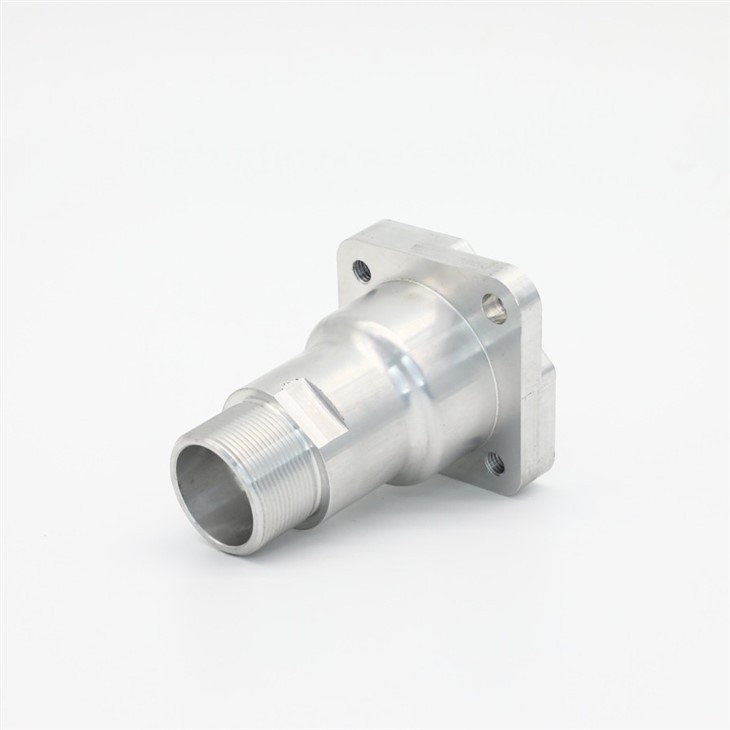

You can use non - destructive testing methods, such as visual inspection, ultrasonic testing, or eddy current testing, to check the integrity of the protective layer. These methods can help you identify any areas where the layer may be damaged or compromised.
Coating and Plating
Applying a coating or plating to the stainless steel bushings can significantly enhance their resistance to oxidation. There are different types of coatings and platings available, each with its own advantages.
One popular option is electroplating. Electroplating involves depositing a thin layer of metal, such as nickel or chrome, onto the surface of the bushing. This layer can provide an additional barrier against oxygen and moisture. Another option is powder coating. Powder coating is a dry finishing process where a fine powder is applied to the surface of the bushing and then cured under heat. Powder coatings are durable and can offer excellent protection against oxidation.
Surface Treatment
Surface treatment processes can also be used to improve the oxidation resistance of stainless steel bushings. For example, passivation is a chemical treatment that removes free iron from the surface of the stainless steel and enhances the formation of the protective chromium oxide layer. This process can be done by immersing the bushings in a passivating solution for a specific period of time.
Shot peening is another surface treatment method. It involves bombarding the surface of the bushing with small metal or ceramic particles. This process can create a compressive stress on the surface, which can improve the corrosion resistance of the material.
Choosing the Right Stainless Steel Grade
Not all stainless steel grades are created equal when it comes to oxidation resistance. Different grades of stainless steel have different compositions and properties, which affect their ability to resist oxidation.
For example, austenitic stainless steels, such as 304 and 316, are known for their excellent corrosion resistance. Grade 316, in particular, contains molybdenum, which makes it more resistant to pitting and crevice corrosion in chloride - containing environments. When selecting stainless steel bushings, consider the environment in which they will be used and choose the appropriate grade accordingly.
Conclusion
Preventing the oxidation of stainless steel bushings is crucial for maintaining their performance and appearance. By following the tips mentioned above, such as proper storage and handling, regular cleaning and maintenance, avoiding chemical exposure, and using appropriate coatings and surface treatments, you can significantly reduce the risk of oxidation.
If you're in the market for high - quality Stainless Steel Bushings, we've got you covered. We also offer a wide range of related products, like Stainless Steel Spacers Bushings, Aluminium Turned Parts, and Custom Cnc Turned Parts. If you have any questions or are interested in purchasing our products, feel free to reach out to us. We're always here to help you find the best solutions for your needs.
References
- "Stainless Steel: A Guide to Selection and Application" by ASM International
- "Corrosion Resistance of Metals and Alloys" by R. Winston Revie