

Hey there! As an OEM machining service provider, I often get asked whether our services can optimize the design for manufacturability. Well, let me tell you, the answer is a resounding yes! In this blog, I'll dive into how we at our OEM machining service can really make a difference in optimizing designs for easier and more efficient manufacturing.
First off, let's understand what design for manufacturability (DFM) is all about. DFM is the process of designing parts or products in a way that makes them easy to manufacture. It takes into account various factors like the materials used, the manufacturing processes available, and the overall cost - effectiveness. When a design is optimized for manufacturability, it can lead to shorter production times, lower costs, and higher - quality products.
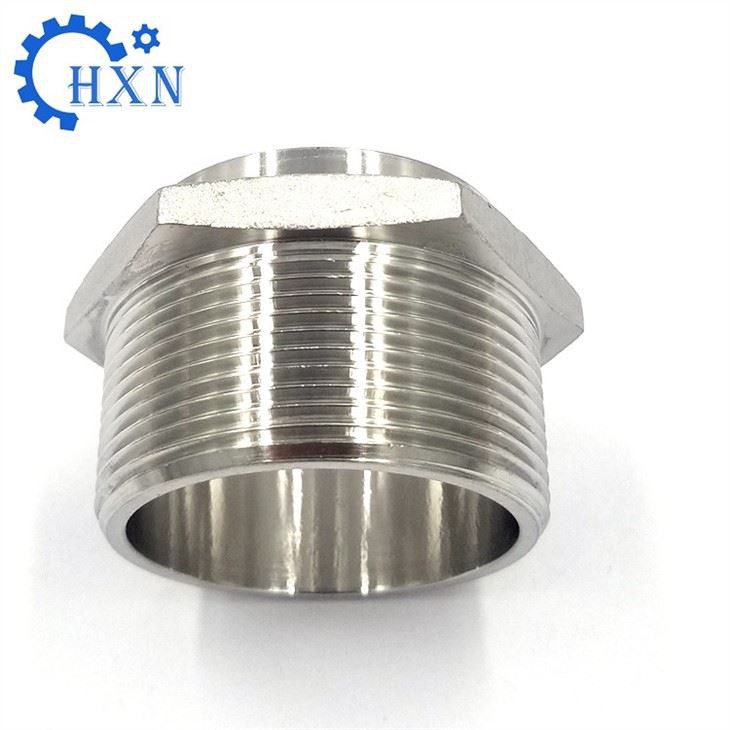
One of the key ways we optimize designs is through our in - depth knowledge of different manufacturing processes. We're well - versed in CNC machining, which includes Cnc Machining Stainless Steel Pipe Fittings. CNC machining is a precise and efficient way to create parts from a variety of materials. By understanding the capabilities and limitations of CNC machines, we can suggest design changes that make the most of this process. For example, if a design has very tight tolerances that are not really necessary for the functionality of the part, we can recommend adjusting those tolerances. This not only reduces the difficulty of machining but also cuts down on production time and cost.
Another area where we shine is in the selection of materials. Different materials have different properties that can greatly affect the manufacturability of a design. We've got a wide range of materials at our disposal, and we can help clients choose the most suitable one for their project. Take Aluminium Turned Parts for example. Aluminium is a popular choice because it's lightweight, corrosion - resistant, and easy to machine. But if a part needs to withstand high temperatures or heavy loads, we might recommend a different material like steel or titanium. By choosing the right material from the start, we can avoid a lot of potential manufacturing issues.
We also use advanced software tools to analyze and optimize designs. These tools allow us to simulate the manufacturing process and identify any potential problems before the actual production starts. For instance, we can use computer - aided manufacturing (CAM) software to generate tool paths for CNC machines. This helps us ensure that the machining process is as efficient as possible and that the final part meets all the design specifications. If there are any areas in the design that could cause problems during machining, like sharp corners or deep cavities, we can use these tools to come up with alternative designs that are more manufacturable.
Swiss turning is another process we're experts in, and we can create high - precision Swiss Turning Parts. Swiss turning is ideal for small, complex parts. When working on designs for Swiss turning, we pay close attention to details like the part's length - to - diameter ratio. If this ratio is too high, it can lead to vibration during machining, which affects the part's accuracy. We can modify the design to keep this ratio within an acceptable range, ensuring a smooth and accurate machining process.
In addition to technical aspects, we also focus on communication with our clients. We believe that a good relationship with our clients is crucial for successful design optimization. We take the time to understand their requirements, goals, and budget. This way, we can provide solutions that not only optimize the design for manufacturability but also meet their specific needs. Whether it's a small - scale prototype or a large - scale production run, we work closely with our clients every step of the way.
Now, let's talk about some real - world examples of how our OEM machining service has optimized designs for manufacturability. We once worked with a client who was designing a custom - made component for the automotive industry. The initial design had some complex features that were difficult to machine using traditional methods. After a thorough analysis, we suggested some design changes. We simplified some of the geometries and adjusted the tolerances. As a result, the machining process became much easier, and the production time was reduced by almost 30%. The client was extremely satisfied with the outcome, as they were able to get their product to market faster and at a lower cost.
Another example is a client in the electronics industry. They needed a high - precision part for their new device. The original design called for a very thin wall thickness, which was challenging to achieve with the chosen material. We recommended changing the material to a more suitable one and slightly increasing the wall thickness. This change not only made the part easier to manufacture but also improved its durability. The client was impressed with the improved quality of the part and the overall cost - savings.
In conclusion, our OEM machining service is well - equipped to optimize designs for manufacturability. Through our knowledge of manufacturing processes, material selection, advanced software tools, and effective communication with clients, we can turn a good design into a great one that's easy and cost - effective to manufacture. Whether you're working on a simple part or a complex product, we're here to help you make the most of your design.

If you're interested in learning more about how our OEM machining service can optimize your designs, or if you have a project you'd like to discuss, don't hesitate to reach out. We're always happy to have a chat and see how we can assist you in achieving your manufacturing goals.
References
- "Design for Manufacturability Handbook" by George E. Dieter
- "CNC Machining Technology" by John A. Schey