

In the dynamic landscape of manufacturing, brass machining stands as a cornerstone, offering a blend of durability, malleability, and aesthetic appeal. As a leading brass machining supplier, I've witnessed firsthand the transformative power of emerging trends in this field. These trends not only shape the way we approach brass machining but also redefine the possibilities for our clients across various industries. In this blog, I'll delve into the most significant emerging trends in brass machining, exploring how they impact our processes, products, and the broader market.
1. Advanced CNC Machining Technologies
Computer Numerical Control (CNC) machining has long been a staple in brass machining, but recent advancements are taking it to new heights. Modern CNC machines are equipped with high-speed spindles, multi-axis capabilities, and sophisticated control systems that enable unparalleled precision and efficiency. For instance, 5-axis CNC machining allows for complex geometries and intricate designs to be machined in a single setup, reducing production time and improving accuracy.
At our facility, we've invested in state-of-the-art Precision CNC Machining Prototype Service that leverages these advanced technologies. Our CNC machines can achieve tolerances as tight as ±0.005mm, ensuring that every brass component we produce meets the highest quality standards. This level of precision is crucial for industries such as aerospace, automotive, and electronics, where even the slightest deviation can have significant consequences.
2. Automation and Robotics
Automation is revolutionizing the manufacturing industry, and brass machining is no exception. The integration of robots and automated systems into the machining process offers numerous benefits, including increased productivity, improved quality control, and reduced labor costs. Robots can perform repetitive tasks with high precision and consistency, freeing up human operators to focus on more complex and value-added activities.
In our brass machining operations, we've implemented automated loading and unloading systems, as well as robotic arms for material handling and finishing processes. These automation solutions have not only increased our production capacity but also enhanced the overall quality of our products. By minimizing human error and variability, we can ensure that each brass component is machined to perfection, meeting the exact specifications of our clients.
3. Sustainable Manufacturing Practices
In recent years, there has been a growing emphasis on sustainability in the manufacturing industry. Consumers and businesses alike are increasingly demanding products that are produced in an environmentally friendly manner, and brass machining is no exception. As a responsible brass machining supplier, we're committed to implementing sustainable manufacturing practices throughout our operations.
One of the key ways we're achieving this is by optimizing our machining processes to reduce waste and energy consumption. For example, we use advanced coolant systems that recycle and reuse cutting fluids, minimizing the amount of waste generated. We also invest in energy-efficient equipment and lighting systems to reduce our carbon footprint.
In addition to process optimization, we're also exploring the use of recycled brass in our manufacturing operations. Recycled brass has the same properties as virgin brass but requires significantly less energy to produce, making it a more sustainable choice. By incorporating recycled brass into our products, we're not only reducing our environmental impact but also helping our clients meet their sustainability goals.
4. Digitalization and Industry 4.0
The fourth industrial revolution, also known as Industry 4.0, is characterized by the integration of digital technologies into the manufacturing process. In brass machining, this means the use of sensors, data analytics, and cloud computing to optimize production processes, improve quality control, and enhance overall efficiency.
At our facility, we've implemented a comprehensive digitalization strategy that includes the use of IoT sensors to monitor the performance of our machining equipment in real-time. These sensors collect data on various parameters such as temperature, vibration, and tool wear, allowing us to detect potential issues before they cause downtime or quality problems. By analyzing this data, we can also optimize our machining processes to improve productivity and reduce costs.
In addition to equipment monitoring, we're also using digital twin technology to simulate and optimize our manufacturing processes. A digital twin is a virtual replica of a physical object or process that can be used to test different scenarios and identify the most efficient way to produce a particular product. By using digital twin technology, we can reduce the time and cost associated with product development and prototyping, while also improving the quality of our final products.
5. Customization and On-Demand Manufacturing
In today's market, consumers and businesses are increasingly demanding customized products that meet their specific needs and preferences. As a brass machining supplier, we're well-positioned to meet this demand by offering a wide range of customization options and on-demand manufacturing services.
Our Cnc Machined Aluminum Parts and brass components can be customized in terms of size, shape, finish, and other specifications to meet the unique requirements of our clients. We also offer rapid prototyping services that allow our clients to quickly test and validate their designs before moving into full production.
In addition to customization, we're also offering on-demand manufacturing services that enable our clients to order small quantities of brass components as needed, without having to worry about minimum order quantities or long lead times. This flexibility is particularly beneficial for businesses that are looking to reduce inventory costs and respond quickly to changing market demands.
6. Integration with Other Manufacturing Processes
Brass machining is often just one step in the manufacturing process, and there is a growing trend towards integrating it with other manufacturing processes to create more complex and value-added products. For example, brass components can be combined with other materials such as plastics, ceramics, and metals through processes such as injection molding, welding, and assembly.
At our facility, we have the capabilities to integrate brass machining with other manufacturing processes to create customized solutions for our clients. For example, we can machine brass components and then assemble them with plastic parts to create a complete product. This integration of different manufacturing processes allows us to offer our clients a one-stop-shop solution for their manufacturing needs, saving them time and money.
7. Focus on Quality and Certification
In today's competitive market, quality is paramount. As a brass machining supplier, we're committed to providing our clients with the highest quality products and services. To ensure this, we have implemented a comprehensive quality management system that is certified to ISO 9001:2015 standards.
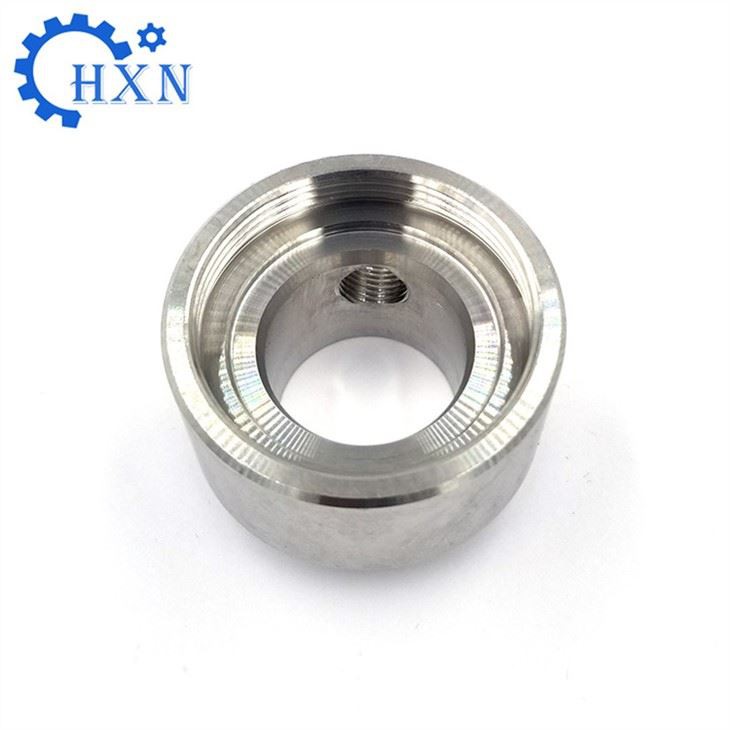

Our quality management system covers every aspect of our operations, from raw material sourcing to final product inspection. We use advanced inspection equipment such as coordinate measuring machines (CMMs) and optical comparators to ensure that every brass component we produce meets the highest quality standards. In addition to our internal quality control measures, we also work closely with our clients to understand their specific quality requirements and ensure that we meet or exceed them.
8. Expansion into New Markets and Industries
As the demand for brass components continues to grow, we're constantly looking for opportunities to expand into new markets and industries. In addition to our traditional markets such as aerospace, automotive, and electronics, we're also exploring opportunities in emerging industries such as renewable energy, medical devices, and consumer goods.
One of the key factors driving our expansion into new markets is our ability to offer customized solutions that meet the specific needs of these industries. For example, in the renewable energy industry, we're developing brass components for solar panels and wind turbines that are designed to withstand harsh environmental conditions and provide long-term reliability. In the medical device industry, we're producing brass components that are used in surgical instruments and diagnostic equipment, where precision and quality are of utmost importance.
Conclusion
The emerging trends in brass machining are shaping the future of the manufacturing industry. As a leading brass machining supplier, we're committed to staying at the forefront of these trends by investing in advanced technologies, implementing sustainable manufacturing practices, and offering customized solutions to our clients.
If you're looking for a reliable brass machining supplier that can meet your specific needs and requirements, we'd love to hear from you. Contact us today to discuss your project and learn more about how we can help you achieve your manufacturing goals.
References
- "Manufacturing Technology Trends Shaping the Future." Manufacturing.net, 2023.
- "Sustainable Manufacturing: A Guide for Small and Medium-Sized Enterprises." United Nations Industrial Development Organization, 2022.
- "Industry 4.0: The Future of Manufacturing." World Economic Forum, 2021.