

Hey there! As an OEM machining service provider, I know firsthand how crucial cost - saving measures are in this industry. Whether you're a small business or a large corporation, finding ways to cut costs without sacrificing quality is always a top priority. In this blog, I'm gonna share some effective cost - saving measures that we've implemented in our OEM machining service.
1. Material Selection
One of the biggest cost factors in OEM machining is the material. Different materials come with different price tags, and choosing the right one can significantly impact your bottom line.
First off, we always look for alternative materials that can meet the required specifications. For example, instead of using high - end stainless steel for a particular part, we might consider a more cost - effective carbon steel if it can perform the same function. This doesn't mean we compromise on quality. We make sure to conduct thorough tests to ensure that the alternative material can withstand the intended use.
Another tip is to buy materials in bulk. When you purchase larger quantities, you can often negotiate better prices with suppliers. We've built strong relationships with our material suppliers over the years, which allows us to get volume discounts. This not only saves money on the material itself but also on shipping costs per unit.
2. Optimized Design
The design of a part plays a huge role in its manufacturing cost. A poorly designed part can lead to increased machining time, more waste, and higher costs.
We work closely with our clients from the very beginning of the project to optimize the design. For instance, we try to simplify the geometry of the part as much as possible. Complex shapes often require more machining operations, which means more time and money. By reducing the number of unnecessary features, we can cut down on machining time.
Also, we pay attention to the tolerances specified in the design. Tighter tolerances usually mean more precise machining, which is more time - consuming and expensive. We help our clients understand the trade - off between tolerance requirements and cost. Sometimes, a slightly looser tolerance can still meet the functional requirements of the part, saving a significant amount of money.
3. Efficient Machining Processes
Using the right machining processes can make a big difference in cost savings.
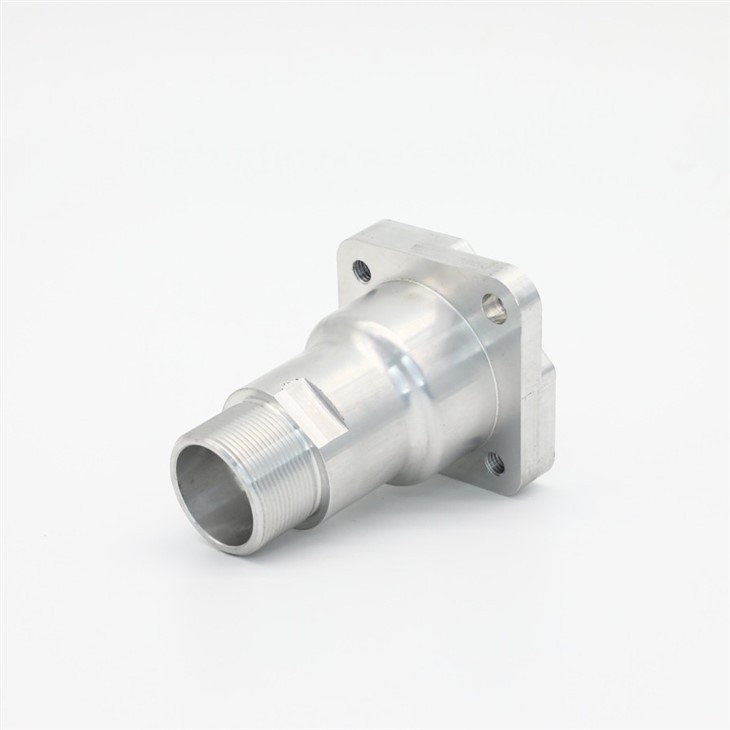

CNC machining is one of the most popular methods in our OEM machining service. It offers high precision and repeatability. We've invested in advanced CNC machines that can perform multiple operations in one setup. This reduces the need for manual handling and setup time between different operations, which in turn saves labor costs and improves efficiency.
For example, our CNC Lathe Machining Service is highly efficient. The lathe can turn, drill, and bore parts in a single operation, minimizing the overall machining time. We also use advanced CAM (Computer - Aided Manufacturing) software to generate optimized tool paths. This software takes into account factors like cutting speed, feed rate, and tool wear to ensure the most efficient machining process.
4. Tool Management
Tools are a significant expense in OEM machining. Proper tool management can help extend the life of tools and reduce costs.
We have a strict tool maintenance schedule. Regularly cleaning, sharpening, and inspecting tools can prevent premature wear and breakage. We also keep a close eye on tool usage data. By analyzing how long each tool lasts and how often it's used, we can make informed decisions about when to replace tools.
Another cost - saving measure is to use standard tools whenever possible. Custom - made tools are usually more expensive. We try to design parts in a way that they can be machined using standard off - the - shelf tools. This not only reduces the tool cost but also shortens the lead time for tool procurement.
5. Waste Reduction
Minimizing waste is an important part of cost - saving in OEM machining.
We've implemented a lean manufacturing approach to reduce material waste. For example, we use nesting software that can arrange parts on a raw material sheet in the most efficient way. This maximizes the use of the material and reduces the amount of scrap.
Recycling is also a key part of our waste reduction strategy. We collect and recycle metal chips and other waste materials generated during the machining process. This not only saves on material costs but also has a positive environmental impact.
6. Labor Efficiency
Labor costs can be a significant portion of the total machining cost. To improve labor efficiency, we focus on training and employee development.
Our employees are regularly trained on the latest machining techniques and technologies. This allows them to work more efficiently and produce higher - quality parts in less time. We also encourage a culture of continuous improvement, where employees can suggest ideas for process optimization.
We use production planning and scheduling software to allocate tasks effectively. This ensures that employees are working on the most important and time - sensitive jobs at the right time, reducing idle time and improving overall productivity.
7. Outsourcing Non - Core Activities
There are some activities in the OEM machining process that are not our core competencies. Outsourcing these activities can save both time and money.
For example, heat treatment is a specialized process that requires specific equipment and expertise. Instead of investing in expensive heat - treating equipment, we outsource this task to a reliable third - party provider. This allows us to focus on our core machining operations and benefit from the expertise of the heat - treating specialists.
8. Quality Control
Quality control is essential in OEM machining, but it doesn't have to be expensive.
We've implemented a comprehensive quality control system that focuses on prevention rather than detection. By ensuring that the machining process is stable and consistent from the start, we can reduce the number of defective parts. This saves money on rework and scrap.
We use statistical process control (SPC) techniques to monitor the machining process in real - time. This allows us to detect any potential issues early and take corrective actions before they lead to defective parts.
9. Energy Management
Energy costs are a growing concern in manufacturing. We've taken steps to reduce our energy consumption.
We've upgraded our machines to more energy - efficient models. Newer CNC machines often have better energy management features, such as automatic shut - off when not in use. We also optimize our machining schedules to run energy - intensive operations during off - peak hours when electricity rates are lower.
10. Value - Added Services
Offering value - added services can also contribute to cost savings for our clients.
For example, our CNC Machining Plastic Parts service includes assembly and finishing options. By providing these services in - house, we can save our clients the hassle and cost of finding separate suppliers for these tasks.
We also offer packaging and shipping services. We've negotiated favorable shipping rates with logistics companies, which allows us to pass on the savings to our clients.
In conclusion, there are many cost - saving measures that can be implemented in OEM machining service. By focusing on material selection, design optimization, efficient processes, and other areas, we can help our clients reduce costs without sacrificing quality. If you're in need of OEM machining services and want to explore how we can help you save money, don't hesitate to reach out to us. We're always happy to have a chat and discuss your specific needs.
References
- "Manufacturing Engineering and Technology" by Serope Kalpakjian and Steven R. Schmid
- "CNC Machining Handbook" by Mark Albert
- Industry reports on OEM machining cost trends