

Hey there! As a supplier of Plastic CNC Machining, I often get asked about the corrosion - resistance properties of plastic CNC machined parts. So, I thought I'd dive deep into this topic and share some insights with you.
First off, let's understand what corrosion is. Corrosion is basically the deterioration of a material due to chemical reactions with its environment. For metals, this often means rusting when they come into contact with water and oxygen. But when it comes to plastic CNC machined parts, the story is quite different.
One of the biggest advantages of plastic CNC machined parts is their inherent corrosion - resistance. Plastics are non - metallic materials, and they don't react with water, oxygen, or most common chemicals in the same way metals do. This makes them a great choice for applications where corrosion is a concern.
There are different types of plastics used in CNC machining, and each has its own level of corrosion - resistance. For example, polypropylene (PP) is known for its excellent resistance to a wide range of chemicals, including acids and alkalis. It can be used in applications such as chemical storage tanks and piping systems. Another popular plastic is polyvinyl chloride (PVC). PVC is resistant to many corrosive substances and is commonly used in plumbing and electrical conduit applications.

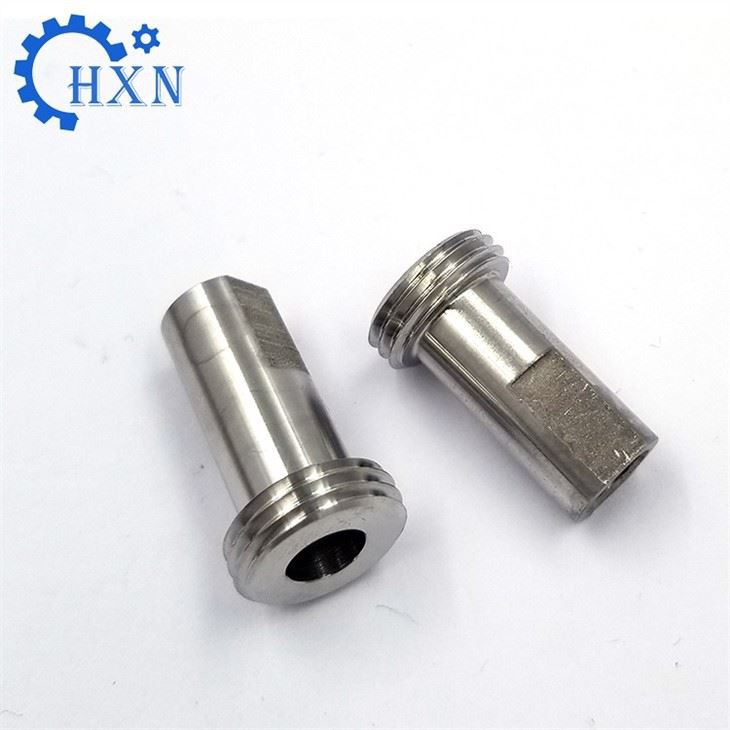
Polytetrafluoroethylene (PTFE), also known as Teflon, is another superstar in terms of corrosion - resistance. It has an extremely low coefficient of friction and is resistant to almost all chemicals, including strong acids and bases. PTFE is often used in applications where there is a need for both corrosion - resistance and low friction, such as in bearings and seals.
Now, let's talk about how the CNC machining process affects the corrosion - resistance of plastic parts. CNC machining allows for high precision and tight tolerances. This means that the surface finish of the plastic parts can be very smooth. A smooth surface reduces the area where corrosive substances can adhere to the plastic, thus enhancing its corrosion - resistance. Additionally, CNC machining can produce parts with complex geometries, which can be designed in a way that minimizes the exposure of the plastic to corrosive environments.
Compared to metal parts, plastic CNC machined parts have a significant edge in terms of corrosion - resistance. Metal parts, especially those made of ferrous metals like steel, are prone to rusting. Even non - ferrous metals like aluminum can corrode under certain conditions. For example, aluminum can react with acids and alkalis, leading to pitting and degradation of the material. On the other hand, plastic parts can withstand these corrosive environments without significant damage.
If you're in the market for metal parts, you might also be interested in Metal Turned Parts Components. This link provides more information about metal turned parts and their applications. And if you're specifically looking for stainless steel parts, CNC Turning Stainless Steel is a great resource. It details the process of CNC turning stainless steel and the benefits it offers. Also, for those seeking reliable manufacturers of CNC turned components, Cnc Turned Components Manufacturers is worth checking out.
However, it's important to note that while plastic CNC machined parts have excellent corrosion - resistance, they do have some limitations. For instance, some plastics can be affected by UV radiation over time. Prolonged exposure to sunlight can cause the plastic to become brittle and lose its mechanical properties. Also, certain solvents can dissolve or swell plastics, so it's crucial to choose the right plastic for the specific application.
When selecting a plastic for CNC machining, you need to consider the operating environment. If the part will be exposed to high temperatures, you'll need a plastic with good heat - resistance in addition to corrosion - resistance. Some plastics, like polyetheretherketone (PEEK), have both high heat - resistance and excellent chemical resistance, making them suitable for applications in harsh environments.
Another factor to consider is the mechanical requirements of the part. While plastics are generally lightweight and have good corrosion - resistance, they may not have the same strength as metals. So, if the part needs to withstand high loads or stresses, you may need to reinforce the plastic or choose a plastic with higher strength properties.
In conclusion, plastic CNC machined parts offer outstanding corrosion - resistance, making them a great choice for a wide range of applications. Whether it's in the chemical industry, plumbing, or automotive applications, plastic parts can provide long - lasting performance in corrosive environments. As a Plastic CNC Machining supplier, I have the expertise and experience to help you choose the right plastic and machining process for your specific needs.
If you're interested in learning more about our plastic CNC machining services or have a project in mind, I'd love to hear from you. Let's start a conversation and see how we can work together to meet your requirements.
References:
- "Plastics for Engineers" by John Murphy
- "CNC Machining Handbook" by Carl Smith