

Hey there! As a supplier in the brass machining industry, I've seen firsthand the many career advancement opportunities available for brass machinists. In this blog post, I'm gonna share some insights on what those opportunities are and how you can take advantage of them.
1. Skill - Based Advancement
One of the most straightforward ways for brass machinists to advance their careers is by honing their skills. When you start out, you're probably focusing on the basics like operating lathes, mills, and other machining equipment to create brass parts. But as you gain more experience, you can expand your skill set.

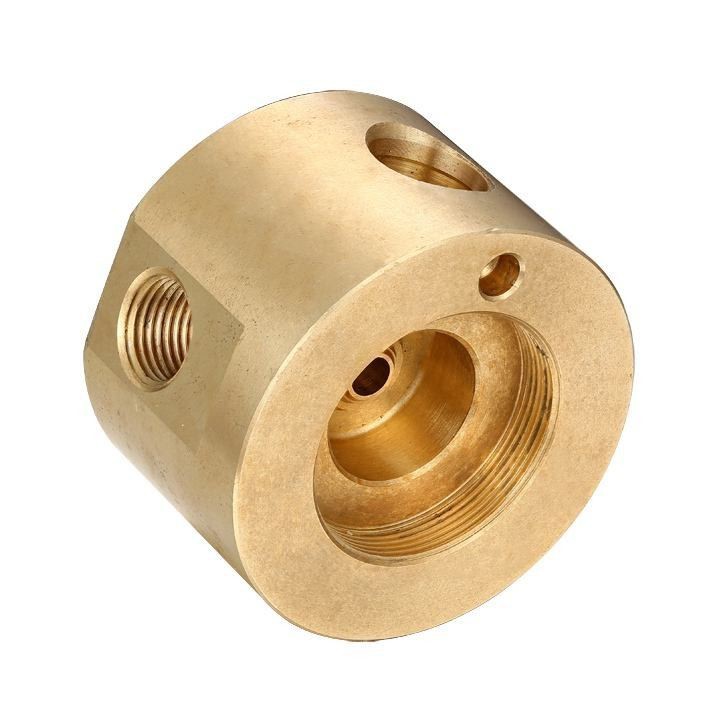
For example, learning computer - numerical control (CNC) programming is a game - changer. With CNC machines, you can produce brass parts with higher precision and efficiency. You'll be able to work on more complex projects and handle larger production runs. If you're interested in some cool CNC - made products, check out Cnc Motorcycle Accessories. These are a great example of what can be achieved with advanced machining skills.
Another skill area to explore is quality control. Understanding how to use measuring tools like calipers, micrometers, and coordinate measuring machines (CMMs) allows you to ensure that the brass parts you produce meet the required specifications. This is crucial in industries where precision is key, and it can open doors to quality control inspector or supervisor positions.
2. Moving into Specialization
Brass machining is a broad field, and specializing in a particular area can lead to significant career advancement. You could specialize in producing Brass CNC Machining Parts. These parts are in high demand in various industries such as electronics, automotive, and plumbing. By becoming an expert in brass CNC machining, you'll be more valuable to employers and potentially command a higher salary.
Or, you might focus on a specific application of brass machining. For instance, some brass machinists specialize in creating parts for the medical industry. These parts often require strict adherence to regulations and high - level precision. Specializing in this area can lead to long - term, stable employment and opportunities to work on cutting - edge projects.
3. Supervisory and Management Roles
As you gain experience and prove your reliability and competence, you may have the chance to move into supervisory or management positions. A supervisor is responsible for overseeing a team of machinists, ensuring that production schedules are met, and maintaining quality standards. This role requires good leadership skills, the ability to communicate effectively, and a deep understanding of the machining process.
Moving up to a management position, such as a production manager, involves even more responsibilities. You'll be in charge of the overall production operations, including budgeting, resource allocation, and strategic planning. You'll need to have a good grasp of business principles in addition to your machining knowledge.
4. Entrepreneurship
If you have an entrepreneurial spirit, starting your own brass machining business can be a great career advancement opportunity. You'll have the freedom to choose your clients, projects, and business direction. However, it's not without its challenges. You'll need to have a solid business plan, access to capital, and a good network of contacts in the industry.
When starting your own business, you'll need to focus on marketing your services effectively. Highlight your unique selling points, such as your expertise in producing high - quality Brass CNC Machining Parts or your ability to meet tight deadlines. Building a reputation for reliability and quality is crucial for the success of your business.
5. Industry - Related Careers
Brass machinists can also transition into other industry - related careers. For example, you could become a sales representative for a machining equipment manufacturer. Your hands - on experience as a machinist will give you an edge in understanding the needs of potential customers and being able to effectively sell the equipment.
Or, you might move into technical writing. You could write manuals, guides, or articles about brass machining processes, equipment, and best practices. This is a great option if you enjoy sharing your knowledge and have good writing skills.
6. Continuous Learning and Professional Development
No matter which career path you choose, continuous learning is essential. Stay updated with the latest trends and technologies in brass machining. Attend industry trade shows, workshops, and seminars. These events are great opportunities to learn from experts, see new equipment, and network with other professionals in the field.
You can also pursue certifications. For example, the National Institute for Metalworking Skills (NIMS) offers certifications in various machining skills. Having these certifications on your resume can make you more competitive in the job market and increase your chances of career advancement.
7. Networking
Networking is a powerful tool for career advancement. Join industry associations and online forums where you can connect with other brass machinists, suppliers, and industry experts. By building relationships with these people, you may learn about new job opportunities, get advice on career development, or even find potential business partners if you're considering starting your own business.
Conclusion
In conclusion, there are numerous career advancement opportunities for brass machinists. Whether it's through skill - based advancement, specialization, moving into management, entrepreneurship, or transitioning into related careers, there's a path for everyone. Remember to keep learning, networking, and looking for new challenges.
If you're in the market for high - quality brass machining services or interested in our Brass CNC Machining Parts, feel free to reach out for a procurement discussion. We're always ready to talk about your specific needs and how we can help you.
References
- "Modern Machining Technology" by David A. Aronson
- Industry reports from the Precision Machined Products Association (PMPA)
- Online resources from the National Institute for Metalworking Skills (NIMS)